

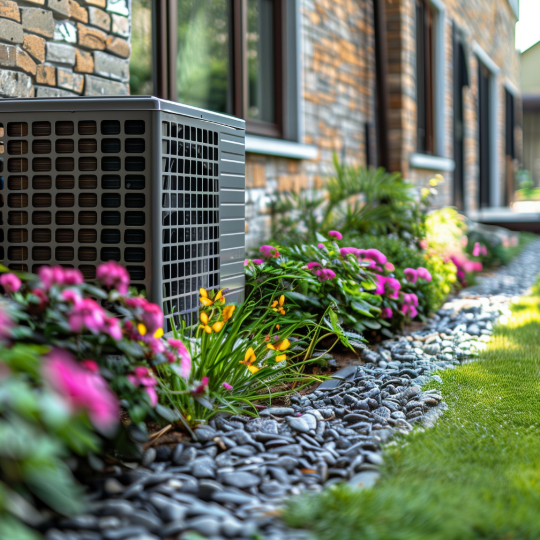
Spring is the ideal time to prepare your AC system for the demands of warmer weather. After sitting idle or running minimally during the winter months, your system may have accumulated dust, debris, or minor wear that affects performance. Waiting until temperatures rise often leads to increased demand on the system, which can expose underlying issues at the worst possible time. Addressing maintenance early ensures your AC system is ready to handle consistent use and helps prevent unexpected breakdowns during peak cooling season.
Replace Air Filters to Improve Airflow and Efficiency
One of the most important and often overlooked ac system maintenance steps is replacing the air filter. A clogged filter restricts airflow, forcing the AC system to work harder to circulate air throughout the home. This not only reduces efficiency but also increases energy consumption and wear on internal components. Replacing the filter in early spring improves airflow, supports consistent cooling, and helps maintain cleaner indoor air. Depending on usage and household conditions, filters should typically be checked and replaced every one to three months.
Clean Around the Outdoor Unit
The outdoor AC unit plays a critical role in releasing heat from your home, and it needs adequate airflow to function properly. Over time, leaves, dirt, and debris can accumulate around the unit, restricting airflow and reducing efficiency. Spring is the right time to clear away any buildup and ensure there is at least a few feet of open space around the unit. Gently cleaning the exterior and removing visible debris helps the system operate more effectively and reduces strain during high-demand periods.
Check Vents and Airflow Throughout the Home
Proper airflow inside the home is just as important as maintaining the system itself. Blocked or closed vents can disrupt air distribution and create uneven cooling. Walk through your home and make sure vents are open, unobstructed, and free from dust buildup. Furniture, rugs, or curtains placed over vents can restrict airflow and reduce comfort. Ensuring clear and consistent airflow helps your AC system maintain even temperatures throughout the home.
Inspect the Thermostat for Accurate Performance
Your thermostat controls how and when your AC system operates, making it an important part of overall efficiency. Spring is a good time to check that the thermostat is functioning correctly and reading temperatures accurately. If your system seems to run longer than expected or does not maintain the set temperature, the thermostat may need adjustment or replacement. Upgrading to a programmable or smart thermostat can improve efficiency by automatically adjusting temperatures based on your schedule.
Pay Attention to Early Warning Signs
Spring is often when small AC issues begin to appear. Weak airflow, unusual noises, inconsistent cooling, or longer run times are all signs that something may be off. These issues may not seem urgent at first, but they often indicate underlying problems that can worsen with continued use. Addressing these warning signs early helps prevent more serious repairs and ensures your system runs efficiently when temperatures rise.
Why Professional AC Maintenance Makes a Difference
While basic maintenance tasks can be handled by homeowners, a professional inspection provides a more complete evaluation of system performance. Technicians can check refrigerant levels, inspect electrical components, clean internal parts, and ensure everything is operating safely and efficiently. In the Baltimore area, where spring temperatures can shift quickly into summer heat, having a properly maintained AC system is essential for comfort and reliability.
Supreme Service Today helps homeowners take a proactive approach to AC care, ensuring systems are ready to perform when they are needed most. Give us a call at (410) 781-1002 to schedule your maintenance service that leads to better comfort, lower energy costs, and fewer disruptions throughout the cooling season.