
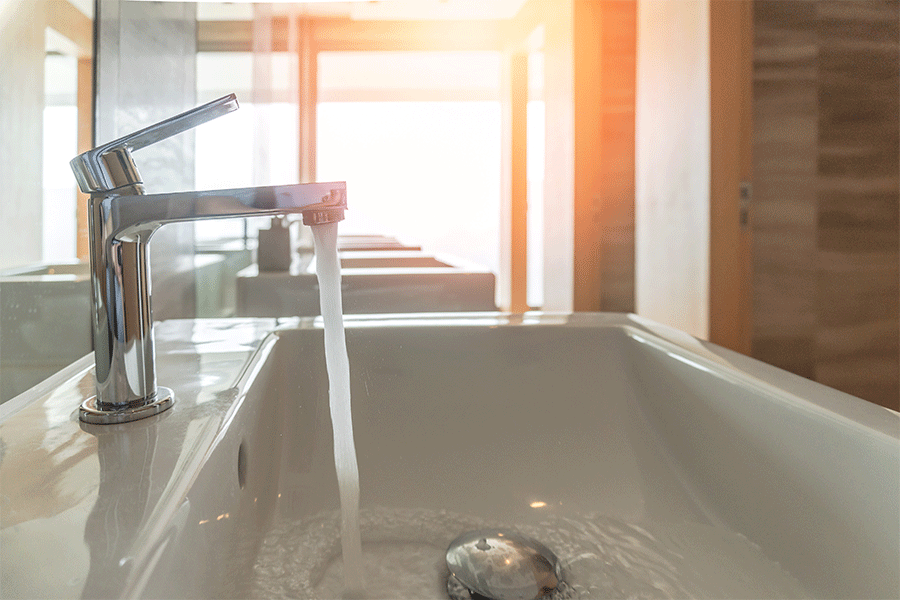
Water pressure is one of those things you don’t usually think about until something feels off. At first, strong water pressure might even seem like a good thing. Showers feel more powerful, sinks fill faster, and everything seems to work efficiently. But when water pressure gets too high, it can quietly put stress on your plumbing system over time.
In homes across Baltimore and the surrounding areas, pressure issues often go unnoticed until they start causing problems. And by then, the damage may already be well underway.
Understanding what “too high” really means, and why it matters, can help you avoid bigger issues in the future.
Why high water pressure isn’t always a good thing
It’s easy to assume that stronger water pressure means better performance.
But plumbing systems are designed to operate within a certain range. When pressure goes beyond that, it doesn’t improve performance; it adds strain.
Pipes, fixtures, and appliances all experience that extra force every time water flows through them. Over time, that pressure can wear down connections, loosen fittings, and shorten the system’s lifespan.
It’s not something that usually fails all at once. Instead, it builds gradually behind the scenes.
How to tell if your water pressure might be too high
High water pressure doesn’t always come with obvious warning signs, but a few things tend to stand out over time.
You might notice faucets splashing more than usual when turned on. Pipes can make noise when water is running or when a valve shuts off quickly. Appliances like dishwashers and washing machines may not last as long as expected.
In some cases, small leaks start to appear around fixtures or connections. These aren’t always dramatic, but they can be early signs that your system is under more stress than it should be.
If you’ve noticed a combination of these issues, it may be worth taking a closer look at your overall plumbing setup, similar to what’s typically reviewed during a general plumbing system check in Baltimore homes.
What is considered “too high” for water pressure
Most residential plumbing systems are designed to operate between 40 and 60 PSI (pounds per square inch).
Anything above that range starts to increase wear on your system. Once pressure approaches 80 PSI or higher, the risk of damage becomes more pronounced.
The challenge is that you can’t always tell the exact pressure just by how water feels. What seems “strong” or “normal” could already be higher than recommended.
That’s why pressure testing is often the only way to know for sure.
What causes water pressure to rise
There are a few common reasons why water pressure may be higher than expected.
In some cases, it comes from the municipal water supply. Changes in demand or infrastructure can affect pressure levels entering your home.
Another common cause is a missing or failing pressure-reducing valve (PRV). This component helps regulate incoming water pressure, and when it’s not working properly, pressure can increase without much warning.
Over time, these issues can put additional stress on your plumbing system, especially in older homes where pipes may already be experiencing normal wear. Situations like this are often part of larger system updates, such as those involved in repiping projects for aging plumbing systems.
Why addressing it early makes a difference
High water pressure is one of those issues that tends to go unnoticed until something goes very wrong.
A small leak, a worn-out appliance, or a sudden pipe issue often brings attention to it, but by that point, the pressure has likely been affecting the system for a while.
Catching it early helps reduce long-term wear and avoids unnecessary repairs. It also helps your plumbing system operate more consistently, without added strain on individual components.
A simple check that can prevent bigger problems
Spring is a good time to take a closer look at how your home is performing overall.
As water usage changes with the season, small issues can become more noticeable. Having your water pressure checked can give you a clearer understanding of how your system is holding up.
If something feels off or you’re noticing signs of excess pressure, taking that next step can help prevent bigger concerns down the line. Contact Supreme Service Today to have your system evaluated and get a better sense of what’s going on for your peace of mind.