
Introduction
Before you install a mini-split system, you want to know what to expect. From equipment costs to installation fees, every piece adds up. Knowing these details ahead of time will help you avoid surprises and budget accordingly. Mini-splits offer long-term energy savings, so it’s worth the upfront cost. This guide will break down the major costs involved in a mini-split installation in Ellicott City, MD, so you can make an informed decision.
Mini-Split Installation: Understanding the Costs
1. Equipment
The biggest chunk of the investment is the indoor and outdoor units themselves. Cost varies by brand, model and SEER rating. Higher SEER-rated units may cost more upfront, but will save you more in the long run. Do you need a single-zone or multi-zone system? That will impact the overall cost. Accessories like line sets, mounting brackets or smart thermostats will add to equipment cost.
2. Labor and Installation
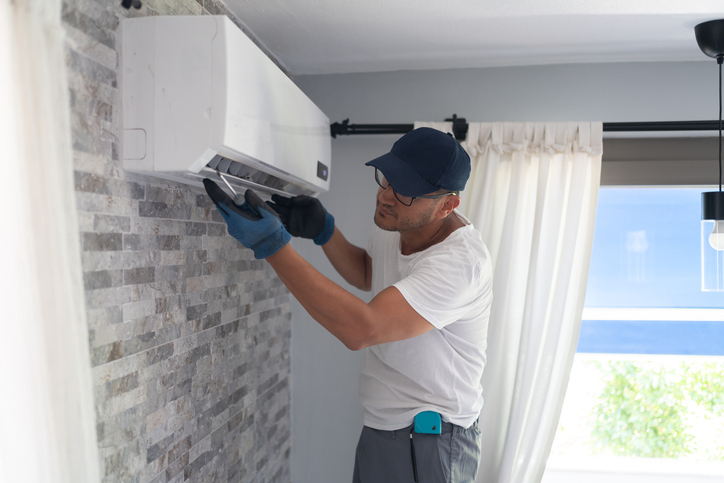
Professional installation is key to making sure your mini-split runs efficiently and lasts for years. Labor cost varies by the complexity of the job, like installing multiple zones or running refrigerant lines through tight spaces. Technicians spend time testing the system, charging refrigerants and ensuring proper airflow. These services come at a cost but give you peace of mind. Always work with certified installers, as poor workmanship can lead to efficiency loss or costly repairs down the road.
3. Electrical and Structural
Depending on your home’s setup, you may need electrical upgrades to support the new system. Installing dedicated circuits or upgrading your panel may add to the cost. Structural modifications like drilling holes for refrigerant lines or reinforcing walls for indoor units will also impact pricing. While these add to the cost, they ensure safe and proper installation. Not accounting for these potential needs may lead to surprise charges.
4. Permits and Inspections
Many areas require permits and inspections for HVAC installations. This may seem like an extra step, but it ensures the work meets building codes and safety standards. Permit fees vary by location but are usually a small percentage of the total cost. Skipping this step may result in penalties or future issues when you sell your home. Having inspections done will give you peace of mind that your system is installed correctly and legally.
5. Maintenance and Long-Term Costs
While installation is a one-time cost, maintenance should also be considered when budgeting. Mini-splits need filters cleaned regularly and serviced occasionally to maintain efficiency. Over time, this will extend the life of the system and reduce energy costs. Some companies that offer mini-split AC services in Baltimore, MD, also offer maintenance packages, making it easier to stay on top of routine care. Factoring in these long-term costs will give you a bigger picture of your investment.
Knowing the full cost breakdown of installing a mini-split system will help homeowners make better decisions. From equipment and labor to permits and maintenance, every piece adds up. While upfront cost may seem high, the energy efficiency and comfort benefits usually outweigh it. Considering both short-term and long-term costs will give you a full picture. With the right planning and professional installation, a mini-split system can be a good investment for your home.
Conclusion
Are you ready to bring efficient comfort to your home? Schedule a consultation with our experts at Supreme Service Today and get a detailed estimate tailored to your space and needs. Call us at (410) 788-1114 today.
📌 Need Help Fast? Visit Supreme Services Center for Trusted Local Plumbing, Heating & HVAC Solutions — Service You Can Count On.
Mini-Splits, Maximum Efficiency.
- What are the benefits of a ductless mini-split installation?
- The Benefits of Professional Mini-Split Installation
- Seasonal Considerations for Ductless Mini-Split Installation