

Why Spring Is a Critical Season for Plumbing Inspections
Spring is one of the most important times of year to evaluate the condition of your plumbing system. After months of cold temperatures, pipes, fittings, and water lines may have experienced expansion, contraction, and added pressure from winter demand. Even if no visible leaks occurred, minor stress fractures and weakened joints can develop quietly. A proactive spring plumbing inspection helps identify small issues before they become expensive repairs during heavier water use in warmer months.
Checking for Hidden Winter Damage
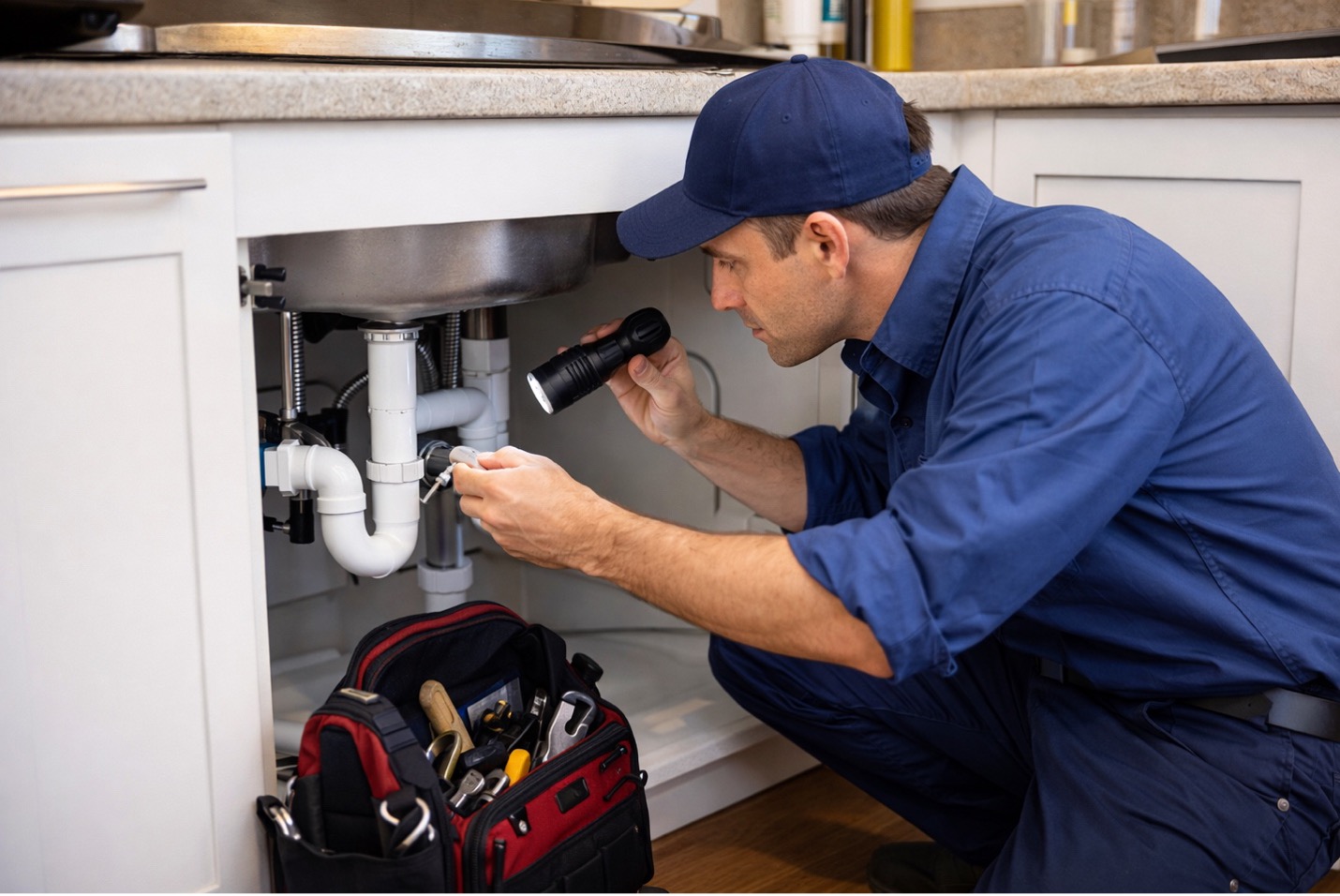
Not all winter plumbing damage is obvious. Frozen pipes that did not fully burst may still have hairline cracks that leak slowly over time. Water stains on ceilings or walls, unexplained musty odors, or subtle drops in water pressure can all signal hidden damage. Inspecting exposed pipes in basements, crawl spaces, and under sinks is a practical first step. Spring is also the right time to confirm that insulation around pipes remains intact and secure.
Inspecting Outdoor Faucets and Hose Bibs
Exterior plumbing components are among the most vulnerable during winter. Hose bibs and outdoor faucets may appear functional at first glance but can still have internal damage. Turning on outdoor water slowly and watching for leaks around the foundation or inside the home helps detect problems early. If water flow is weak or uneven, there may be pipe damage behind the wall. Addressing exterior plumbing issues in spring prevents water intrusion that can compromise foundations or siding.
Evaluating Drains After Increased Winter Use
Winter often leads to heavier indoor water usage, which places additional strain on drains and sewer lines. Grease, soap residue, and debris accumulate more quickly during colder months. Spring is the ideal time to assess drain performance and address slow drainage before summer storms increase the risk of backups. Gurgling sounds, recurring clogs, or unpleasant odors are signs that deeper buildup may be present in the line.
Testing Sump Pumps Before Heavy Rainfall
Spring rainfall can quickly overwhelm a sump pump that has not been tested since the previous year. Pouring water into the sump pit to confirm proper activation ensures the pump engages and drains correctly. A malfunctioning sump pump during heavy rain can result in basement flooding and costly water damage. Inspecting discharge lines for blockages or freezing damage is also an essential step in spring plumbing preparation.
Water Heater Performance and Seasonal Efficiency
Spring is a practical time to evaluate water heater performance, especially after months of high demand. Sediment buildup can accumulate during winter and reduce efficiency. Flushing the tank helps improve heating performance and extend system life. Homeowners should also check for rust-colored water, inconsistent temperatures, or unusual noises from the tank. Addressing water heater issues in spring prevents unexpected breakdowns later in the year.
Why Professional Spring Plumbing Service Matters
While basic visual checks are helpful, professional inspection provides a more thorough assessment of plumbing system health. Experienced technicians can identify pressure irregularities, inspect valves, and evaluate fixtures that may not show obvious warning signs. In the Baltimore–DC corridor, seasonal temperature swings can accelerate wear on plumbing systems, making spring maintenance especially important. Call Supreme Service Today at (410) 781-1002 to transition from winter to warmer months with confidence by ensuring plumbing systems are stable, efficient, and prepared for increased seasonal demand.